


For decades, the concept of home security was a simple and static one. It was defined by a keypad, a few door and window sensors, and a loud alarm that would blare in the event of an intrusion. This traditional security system, while effective for a long time, was a reactive one. It was a tool that would only respond to a security threat after it had already occurred, and it was often a source of false alarms and a high monthly fee. But in an era of ubiquitous technology and a new generation of digital natives, a profound and necessary shift is underway.
This revolution is known as smart home security, a new paradigm that is fundamentally reshaping how we protect our homes. A smart home security system is not just an alarm; it is a connected, intelligent, and proactive system that is powered by a network of sensors, artificial intelligence (AI), and a smart hub. It is a world where a security threat is detected before it has a chance to occur, and where a homeowner has a new level of control over their home’s security from anywhere in the world. This article will provide a comprehensive guide to what a smart home security system is, the key pillars that are driving its adoption, the major applications that are transforming homes and businesses, and the profound ethical and technological challenges that this new technology holds for the future of safety and privacy.
The Limits of Traditional Security
To understand the power of a smart home security system, one must first grasp the flaws of the traditional security model. This old paradigm, while effective for a long time, has a number of significant flaws that are becoming increasingly apparent in a modern world.
- Reactive and Limited Functionality: A traditional security system is a reactive one. It is a tool that would only respond to a security threat after it had already occurred. It is a system that is limited to a few door and window sensors and a loud alarm, and it has no ability to provide a homeowner with a new level of insight or control.
- The High Cost and False Alarms: The traditional security model is an expensive one, with a high monthly fee and a high cost for installation. It is also a system that is prone to a number of false alarms, which can be a source of a new and profound form of stress and a major source of a lack of trust in the system.
- The “One-Size-Fits-All” Model: The traditional security model is a “one-size-fits-all” model. It is a system that is designed for a single purpose, and it has no ability to be customized to a person’s specific needs. A homeowner who wants to, for example, get a new level of insight into their home’s security has no ability to do so.
The old paradigm is no longer viable. It is a system that is built for a different era, and it is now being replaced by a new one that is more resilient, more regenerative, and more equitable.
What is Smart Home Security?
A smart home security system is a new model for home security that is designed to solve the flaws of the traditional paradigm. It is a technological leap that is built on a new generation of technologies.
- A Connected and Intelligent System: A smart home security system is a connected and intelligent system. It is a system that is equipped with a variety of sensors and a computer that is capable of interpreting a person’s behavior and of providing a new level of insight and control.
- The “Proactive” Guard: The power of a smart home security system lies in its ability to be a proactive guard. It is a system that can be used to detect a security threat before it has a chance to occur, and it can be used to prevent a security threat from occurring in the first place.
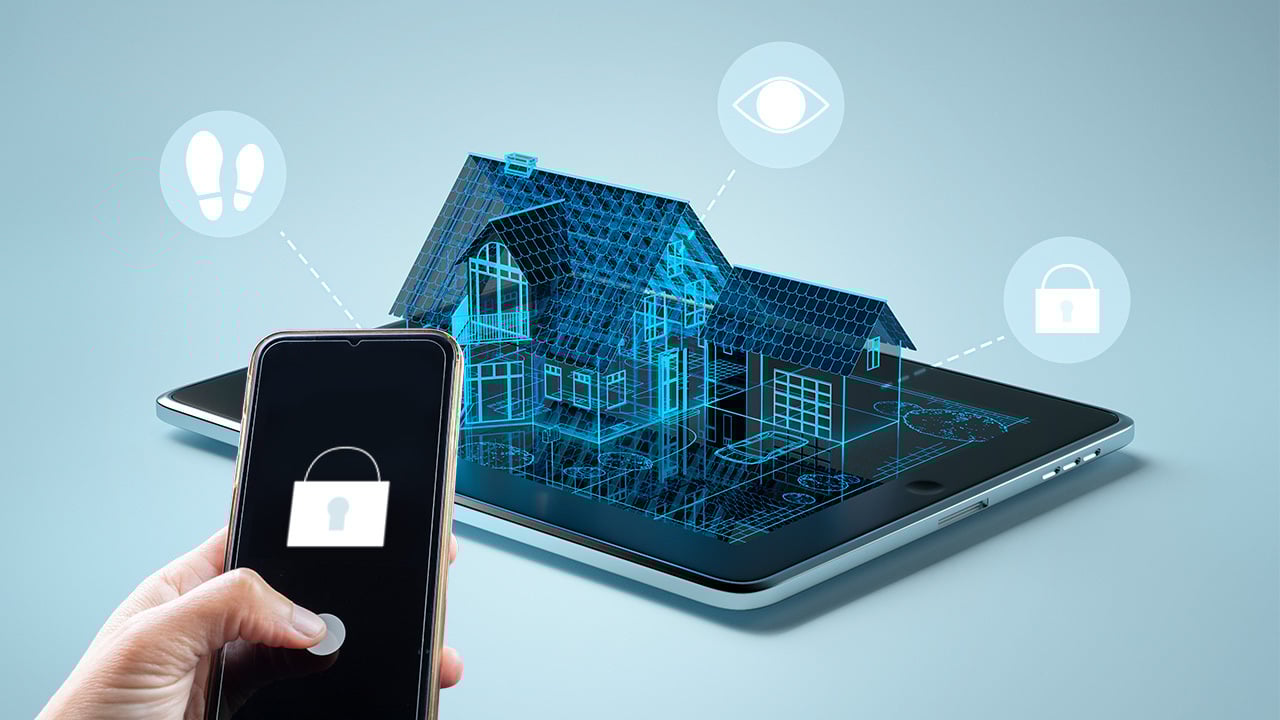
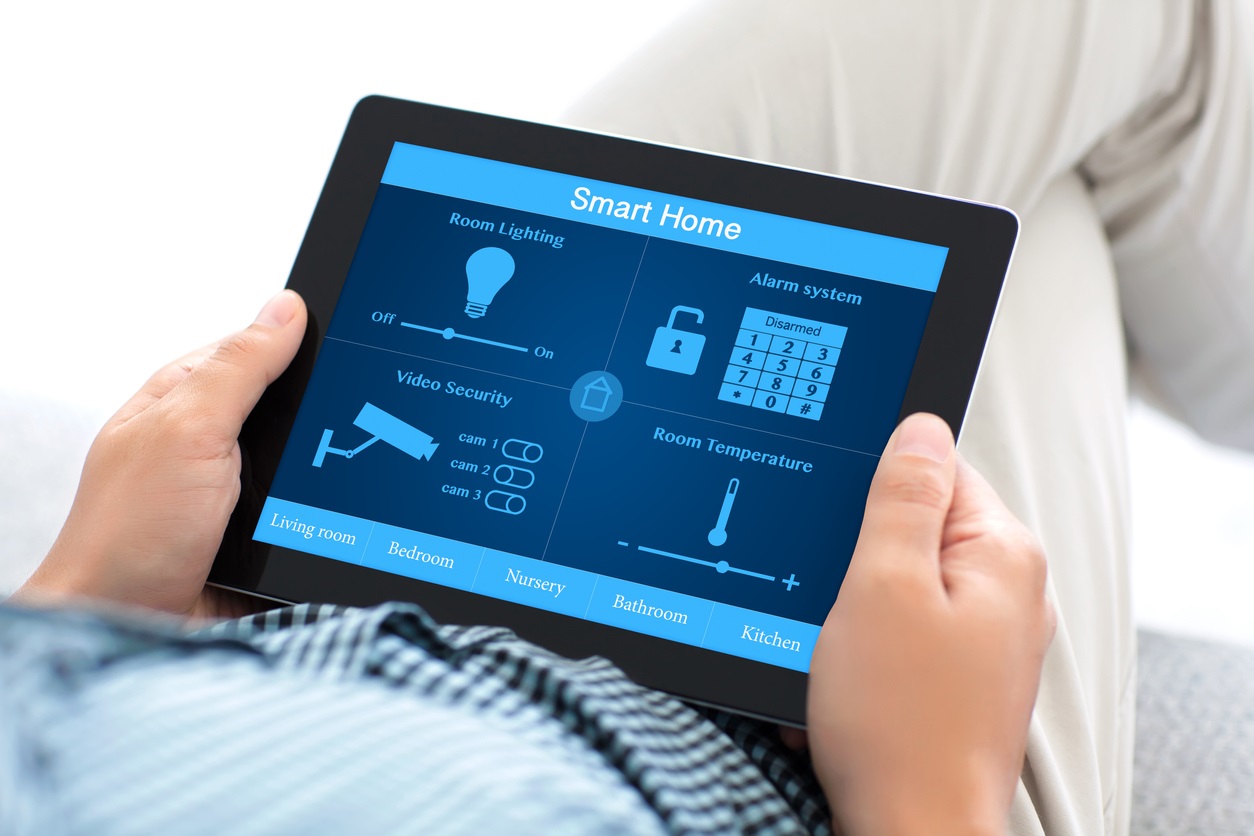
- From Alarm to Platform: A smart home security system is not just an alarm; it is a single, integrated platform that is controlled by a smartphone or a smart hub. A homeowner can, for example, use their smartphone to arm or disarm their system, to check on their home’s security, and to receive a real-time notification in the event of a security threat.
The smart home security revolution is a new chapter in the story of home security, one that is being written by a new generation of visionaries and entrepreneurs.
Key Pillars of the Smart Security Revolution
The smart security revolution is built on a set of core principles that are fundamentally changing the way we think about home security. These principles are making security more intelligent, more aware, and more capable than ever before.
A. Artificial Intelligence (AI) and Predictive Analytics: AI is the brain of a smart security system. It is a powerful new tool that is capable of learning a person’s behavior, detecting anomalies, and predicting a potential security threat.
- Learning a Person’s Behavior: An AI-powered security system can, for example, learn a person’s behavior. It can learn that a person leaves their home at 8 am every day and that they return at 6 pm. If a motion detector is triggered at 2 am, the AI can detect that as an anomaly and can send a real-time notification to the homeowner.
- Predicting a Security Threat: AI can also be used to predict a potential security threat. It can, for example, analyze a variety of data, from a person’s social media posts to a series of news articles, to predict the likelihood of a home invasion in a specific neighborhood.
B. The Internet of Things (IoT) and Connected Sensors: The IoT is the eyes and ears of a smart security system. It is a network of connected sensors that can provide a holistic view of a home’s security.
- Door and Window Sensors: A smart security system is equipped with a variety of door and window sensors that can detect a door or a window being opened.
- Motion and Glass Break Detectors: A smart security system is equipped with a variety of motion and glass break detectors that can detect a person’s presence or a glass breaking.
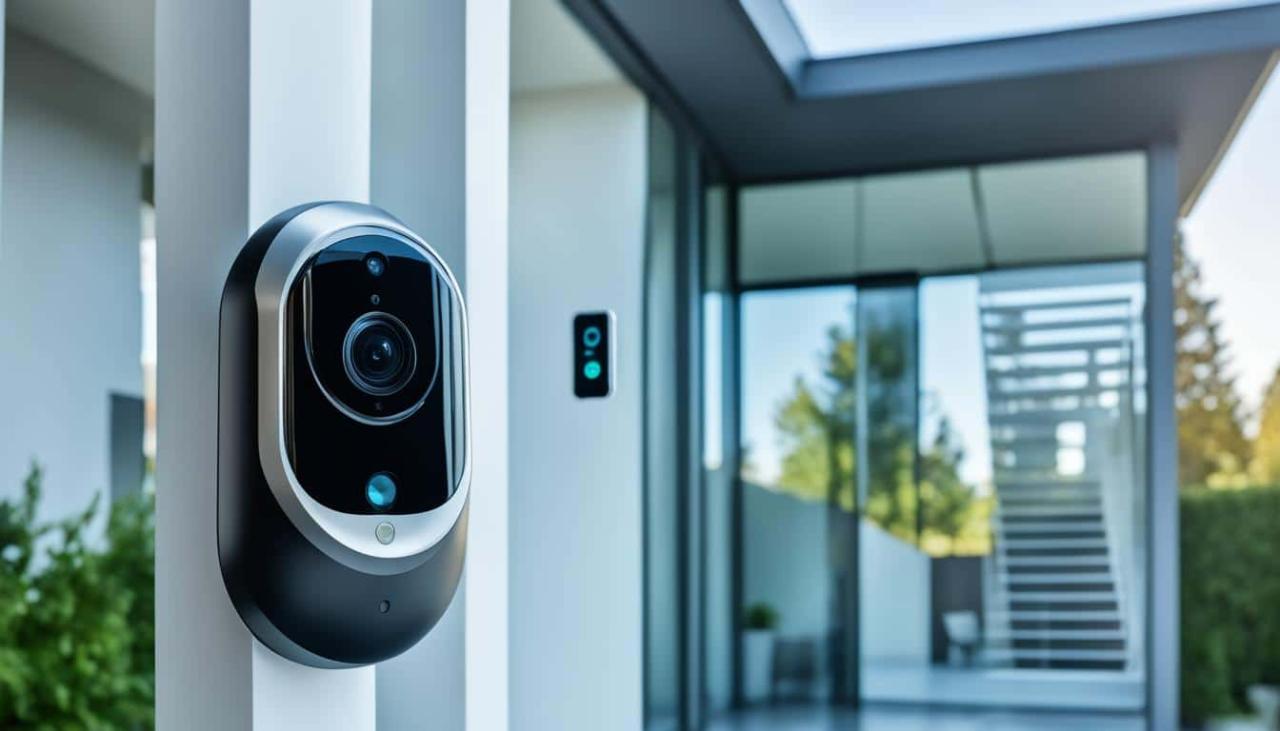
- Smart Locks and Video Doorbells: A smart security system is equipped with a variety of smart locks and video doorbells that can be used to control access to a home and to communicate with a person at the door.
C. Integrated Systems and a Unified Platform: A smart security system is not a series of isolated devices; it is a single, integrated platform that is controlled by a smartphone or a smart hub.
- A Unified Platform: A homeowner can, for example, use their smartphone to arm or disarm their system, to check on their home’s security, and to receive a real-time notification in the event of a security threat.
- Cross-Device Communication: A smart security system can, for example, be integrated with a smart light bulb or a smart thermostat. A person can, for example, have their lights turn on automatically when a motion detector is triggered, which can help to deter an intruder.
D. Biometric Authentication and Access Control: A smart security system can be used to control access to a home with a new level of security and convenience.
- Facial Recognition and Fingerprints: A smart security system can be equipped with a variety of biometric authentication technologies, such as facial recognition and fingerprints, that can be used to control access to a home.
- Voice Control: A person can, for example, use their voice to arm or disarm their system, which can be a new and convenient way to interact with a security system.
E. Cybersecurity and Data Privacy: The use of a network of connected, intelligent devices has a new set of privacy and security concerns.
- Encryption: A smart security system is equipped with a variety of encryption technologies that are designed to protect a person’s data from hackers.
- Data Privacy: The use of a variety of sensors and a camera has a new and profound set of privacy concerns. The potential for a smart security system to be used for mass surveillance or to collect a person’s personal information is a new and dangerous threat.
Major Applications and Industries
The impact of smart home security is not limited to a single sector; it is a transformative force that is reshaping every industry.
- Residential Security: The residential security industry is on the cusp of a revolution. A smart home security system is a new and powerful tool for a homeowner who is looking for a new level of security and a new level of peace of mind.
- Commercial Security: The commercial security industry is on the cusp of a revolution. A smart security system is a new and powerful tool for a small business owner who is looking for a new level of security and a new level of insight into their business.
- The “Smart City” Frontier: The use of a smart home security system has a new and exciting frontier: the ability to be integrated with a smart city’s security system. A city can, for example, use a smart home security system to detect a crime and to automatically dispatch a police officer.
The Challenges of Smart Security
While the potential of smart home security is immense, the path to widespread adoption is not without its challenges. The technology is still in its early stages, and the regulatory framework is struggling to keep up with the pace of innovation.
- High Initial Cost: The cost of building a smart security system, particularly a large one, can be high. This can be a major barrier to adoption for a person who is operating on a tight budget.
- The Need for New Skills: The shift to smart security requires a new set of skills and a new mindset. An installer of a traditional security system will need to learn how to work with a new generation of technology and to analyze a vast amount of real-time data.
- Cybersecurity and Data Privacy: The use of a network of connected, intelligent devices has a new and profound set of privacy and security concerns. The potential for a smart security system to be hacked or to be used for mass surveillance is a new and dangerous threat.
Conclusion
The smart home security revolution is not just another technological advancement; it is a fundamental re-imagining of how we protect our homes. It has the power to unlock new levels of intelligence, automation, and a new sense of peace of mind for millions of people around the world. The companies and governments that are leading this charge are not just building a new technology; they are laying the foundation for a new era of safety and security.
The future of home security will not be defined by a world where a person is limited by a reactive, functional device. Instead, it will be defined by a world where a smart security system is a fully integrated and intelligent part of a person’s home, and where a person has a new level of control over their safety and their destiny. The journey is far from over, but the progress has been undeniable. The most successful societies of the future will be those that can master the principles of smart home security and use them to create a more efficient, more creative, and more equitable world.










Discussion about this post