


In a modern world that is increasingly defined by stress, anxiety, and a sense of disconnection, the need for mental health care has never been more urgent. Yet, for millions of people around the world, access to a traditional therapist remains a significant challenge. The barriers are numerous: the high cost of a session, the geographical limitations of a physical clinic, the time-consuming process of a commute, and the persistent social stigma that surrounds seeking help for a mental health condition. For too long, mental health care has been a luxury for the privileged, not a right for all.
But a profound and necessary shift is underway. A new and powerful form of mental health care, known as online therapy, is now poised to fundamentally reshape this landscape. Online therapy is not just a video call with a therapist; it is a new paradigm of care that is democratizing access to mental health services, with a new level of convenience, affordability, and a new kind of therapeutic relationship. This is a transformation that will not only change how we get our mental health care but will also fundamentally redefine our relationship with our own minds, with each other, and with the world. This article will provide a comprehensive guide to what online therapy is, the key pillars that are driving its revolution, the major applications that are transforming the lives of millions, and the profound ethical and technological challenges that this new technology holds for the future of mental health care.
The Limits of Traditional Therapy

To understand the power of online therapy, one must first grasp the flaws of the traditional therapy model. This old paradigm, while effective for a long time, has a number of significant flaws that are becoming increasingly apparent in a modern world.
- High Cost and Financial Barriers: The cost of a traditional therapy session can be immense, with a single session often costing a person a hundred dollars or more. This is a financial barrier that makes mental health care a luxury for a person with a low income.
- Geographical and Physical Barriers: A traditional therapy session is limited by a person’s geographical location and their physical ability to attend a physical clinic. A person who is living in a rural area, for example, may have to travel a long distance to see a therapist, and a person with a physical disability may have a hard time accessing a traditional clinic.
- Social Stigma and Lack of Privacy: The social stigma that surrounds mental health care is a major barrier to a person seeking help. A person may, for example, be afraid to tell their family or their friends that they are seeing a therapist. This lack of privacy and this sense of shame can prevent a person from getting the help they need.
- The “One-Size-Fits-All” Model: The traditional therapy model is a “one-size-fits-all” model. It is a system that is designed for a single purpose, and it has no ability to be customized to a person’s specific needs. A person who is looking for, for example, a new level of insight into their health has no ability to do so.
The old paradigm is no longer viable. It is a system that is built for a different era, and it is now being replaced by a new one that is more resilient, more regenerative, and more equitable.
A New Paradigm of Care
Online therapy is a new model for mental health care that is designed to solve the flaws of the traditional paradigm. It is a technological leap that is built on a new generation of technologies.
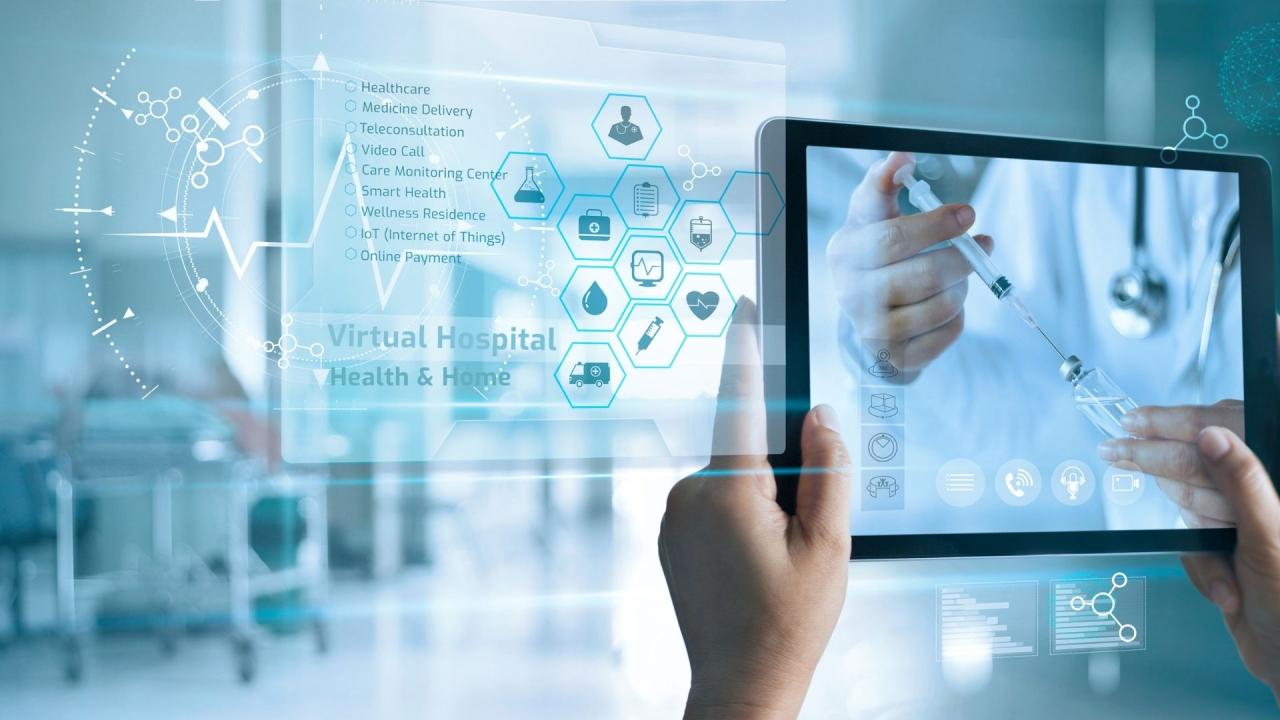
- An Online Clinic: An online therapy is a mental health service that is delivered in a virtual clinic, with a new level of convenience, affordability, and a new kind of therapeutic relationship. A person can, for example, have a therapy session from the comfort of their own home, with no need for a commute or a physical clinic.
- The Power of “Presence”: The power of online therapy lies in its ability to be a new and more immersive experience. A person can, for example, have a therapy session in a virtual reality (VR) world, with a new level of presence and a new level of connection.
- From Live Stream to Virtual World: The term “online therapy” is often used to describe a video call with a therapist, but the new generation of online therapy is a new and more immersive experience. It is a virtual world that is designed to be a new and more interactive form of a physical clinic.
The online therapy revolution is a new chapter in the story of mental health care, one that is being written by a new generation of visionaries and entrepreneurs.
Key Pillars of the Online Therapy Revolution
The online therapy revolution is built on a set of core principles that are fundamentally changing the way we think about mental health care. These principles are making care more accessible, more personalized, and more sustainable than ever before.
A. Overcoming Geographical and Physical Barriers:
This is the most significant advantage of online therapy. An online therapy session can be accessed by a person from anywhere in the world, with no geographical or physical limitations.
- No Barriers to Entry: A person who is living in a rural area, for example, can now see a therapist from anywhere in the world. This is a significant step towards creating a more inclusive and more equitable world.
- Global Access: The lack of geographical limitations allows an online therapist to reach a global audience, which can help a therapist to connect with a new generation of patients and to expand their practice.
B. Affordability and Financial Accessibility:
An online therapy session can be significantly more affordable than a traditional one. This is a major form of financial inclusion that can provide a new level of access to mental health care for millions of people.
- Lower Cost: The cost of a virtual clinic is significantly lower than a traditional one, which can be passed on to a patient in the form of lower fees.
- Insurance and Subscriptions: A new generation of online therapy platforms is now being developed that can be used to provide a new level of access to mental health care. These platforms can, for example, offer a subscription-based model that makes mental health care more affordable.
C. Reduced Stigma and Increased Privacy:
The social stigma that surrounds mental health care is a major barrier to a person seeking help. An online therapy session can provide a new level of privacy and a new sense of comfort for a person who is struggling with this stigma.
- The Comfort of Home: A person can, for example, have a therapy session from the comfort of their own home, with no need to worry about a commute or a physical clinic.
- Increased Privacy: An online therapy session can be a new and more private way to get mental health care. The use of a secure, encrypted platform can provide a new level of privacy and a new sense of a person’s a comfort.
D. A New Form of Therapeutic Relationship:
An online therapy session can create a new kind of therapeutic relationship.
- The “Always-On” Companion: The use of an AI companion or a chatbot can be a new and more accessible form of mental health care. A person can, for example, talk to a chatbot in the middle of the night, with no need for a schedule or a social cue.
- A New Level of Convenience: The convenience of an online therapy session is a new and powerful one. A person can, for example, have a therapy session on a bus, on a train, or in the middle of the night, with no need for a schedule or a social cue.
Major Applications and Industries

The impact of online therapy is not limited to a single sector; it is a transformative force that is reshaping every industry.
- Mental Health and Wellness: The mental health industry is on the cusp of a revolution. Online therapy is being used for a variety of mental health conditions, from anxiety and depression to a variety of other mental health issues.
- Corporate Wellness Programs: The corporate world is on the cusp of a revolution. Online therapy is being used for corporate wellness programs, with a new level of access for employees. This can help to reduce a company’s healthcare costs and to improve its productivity.
- Telemedicine and Integrated Care: The use of online therapy is a part of a broader telemedicine and integrated care model. A doctor can, for example, have a remote medical consultation with a patient and can refer them to an online therapist.
The Technological and Ethical Challenges
While the potential of online therapy is immense, the path to widespread adoption is not without its challenges. The technology is still in its early stages, and the regulatory framework is struggling to keep up with the pace of innovation.
- Data Privacy and Security: The use of a virtual clinic has a new and profound set of privacy and security concerns. The potential for a patient’s data to be collected and used for a malicious purpose is a new and dangerous threat.
- The Need for New Skills: The shift to an online therapy session requires a new set of skills and a new mindset. A therapist who is trained to work with a traditional patient will need to learn how to work with a new generation of technology and to analyze a vast amount of real-time data.
- The “Human” Question: The rise of an online therapy session is forcing a deeper, philosophical debate over what it means to be a therapist and a patient. If a person can have a therapy session with a chatbot, are they still getting the help they need? The legal and ethical implications of this question are profound.
Conclusion
The online therapy revolution is not just another technological advancement; it is a fundamental re-imagining of how we get our mental health care. It has the power to unlock new levels of accessibility, affordability, and a new sense of a person’s a dignity. The companies and governments that are leading this charge are not just building a new technology; they are laying the foundation for a new era of mental health care.
The future of mental health care will not be defined by a world where a person is limited by a traditional physical clinic. Instead, it will be defined by a world where a mental health service is a new and more immersive experience, and where a new level of connection and learning is possible. The journey is far from over, but the progress has been undeniable. The most successful societies of the future will be those that can master the principles of online therapy and use them to create a more efficient, more creative, and more equitable world.





Discussion about this post