


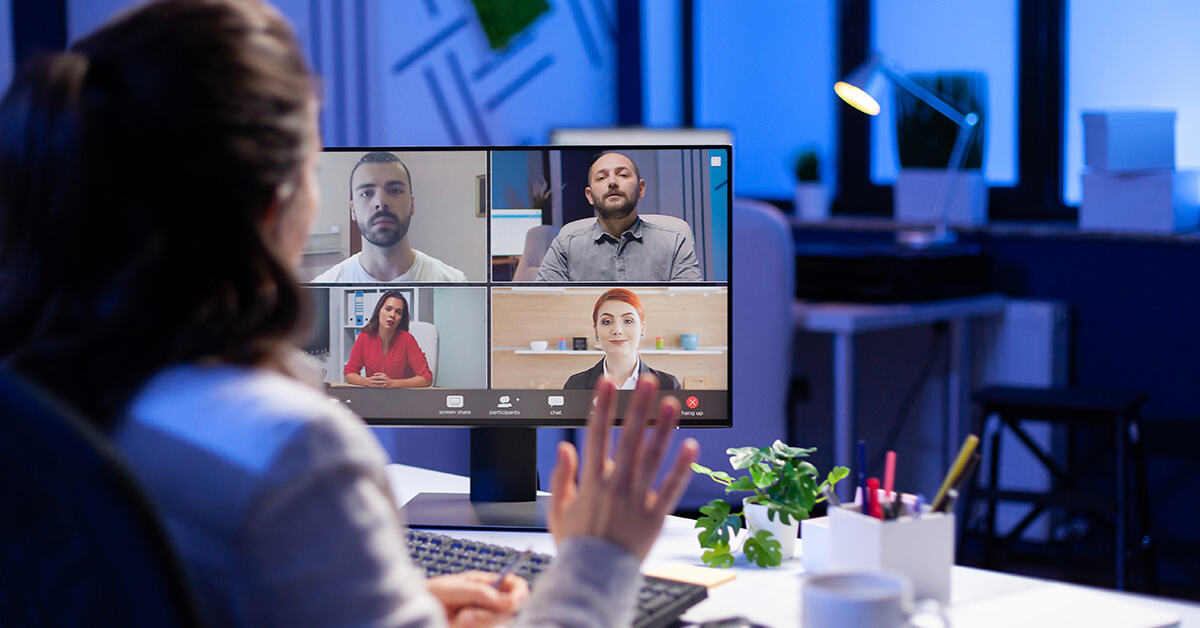
The global pandemic of 2020 was a powerful and unexpected catalyst for a profound shift in how we gather, connect, and learn. In a world of lockdowns and social distancing, the traditional physical event—from a corporate conference and a trade show to a live concert and a family gathering—was no longer a viable option. In its place, a new and powerful form of interaction emerged: the virtual event. What was once a niche technology for a few forward-thinking companies is now a mainstream reality, with billions of people around the world now attending events from the comfort of their own homes.
The transition from a physical to a virtual event is not just a temporary fix; it is a fundamental and permanent change that is redefining the very nature of human connection and communication. A virtual event is not just a live stream; it is a new paradigm of engagement, with a new level of interactivity, collaboration, and data analytics. This is a transformation that will not only change how we gather but will also fundamentally reshape our relationship with community, connection, and learning. This article will provide a comprehensive guide to what a virtual event is, the key pillars that are driving its adoption, the major industries that are being transformed, and the profound challenges and implications that this new technology holds for the future of events.
The Limits of Physical Events

To understand the power of virtual events, one must first grasp the flaws of the traditional physical event. This old paradigm, while effective for a long time, has a number of significant flaws that are becoming increasingly apparent in a modern world.
- High Cost and Logistical Challenges: A traditional physical event is an incredibly expensive and logistically complex undertaking. The cost of a venue, a speaker, a hotel, and a plane ticket can be immense, and the logistical challenges of managing a large number of people can be a source of a new and profound form of stress.
- Limited Accessibility and Broader Reach: A physical event is limited by a person’s geographical location and their physical ability to attend. This creates a significant barrier to entry for a person who is not in the same city as the event, or for a person with a physical disability. The lack of accessibility limits a physical event’s broader reach and its ability to connect with a global audience.
- Environmental Impact: The traditional physical event is a major contributor to greenhouse gas emissions, with its reliance on air travel, hotels, and a new generation of disposable products. This is a significant environmental footprint that is becoming increasingly unsustainable in a modern world.
- Lack of Data and Insight: A traditional physical event is a closed and opaque system. It is difficult for an organizer to get a deeper insight into their audience and to understand what is working and what is not. This lack of data and insight limits an organizer’s ability to improve an event and to make it more effective.
The old paradigm is no longer viable. It is a system that is built for a different era, and it is now being replaced by a new one that is more resilient, more regenerative, and more equitable.
What are Virtual Events?
A virtual event is a new model for an event that is designed to solve the flaws of the traditional paradigm. It is a technological leap that is built on a new generation of technologies.
- An Online Gathering: A virtual event is an online gathering that is held in a virtual space, with a new level of interactivity, collaboration, and data analytics. A person can, for example, attend a corporate conference, a trade show, a live concert, or a family gathering from the comfort of their own home.
- A New Level of Interactivity: The power of a virtual event lies in its ability to be more interactive and more immersive than a traditional one. A person can, for example, use a chat room to connect with other attendees, a poll to provide feedback to a speaker, or a virtual reality (VR) headset to explore a virtual trade show.
- From Live Stream to Virtual World: The term “virtual event” is often used to describe a live stream of a physical event, but the new generation of virtual events is a new and more immersive experience. It is a virtual world that is designed to be a new and more interactive form of a physical event.
The virtual event revolution is a new chapter in the story of human connection, one that is being written by a new generation of visionaries and entrepreneurs.
Key Pillars of the Virtual Event Revolution
The virtual event revolution is built on a set of core principles that are fundamentally changing the way we think about events. These principles are making events more accessible, more personalized, and more sustainable than ever before.
A. Global Accessibility and Broader Reach:
This is the most significant advantage of virtual events. A virtual event can be attended by a person from anywhere in the world, with no geographical or physical limitations.
- No Barriers to Entry: A person who is not in the same city as an event or a person with a physical disability can now attend a virtual event. This is a significant step towards creating a more inclusive and more equitable world.
- Broader Audience: The lack of geographical limitations allows a virtual event to reach a broader audience, which can help a business to connect with a new generation of customers and to expand its market.
B. Data-Driven Insights and Personalization:
A virtual event is not a closed and opaque system; it is a system that can provide a new level of data analytics and personalization.
- Real-Time Data: An organizer can, for example, get a real-time insight into the number of attendees, their location, and their engagement with a speaker. This data can be used to improve an event and to make it more effective.
- Personalized Experience: A virtual event can be personalized to a person’s specific needs. A person can, for example, use a virtual reality (VR) headset to explore a virtual trade show or a virtual classroom, and they can have a new level of control over their experience.
C. Cost-Effectiveness and Sustainability:
The virtual event revolution is not just an environmental one; it is an economic one. A virtual event can significantly reduce the cost of an event and its environmental footprint.
- Lower Cost: The cost of a venue, a speaker, a hotel, and a plane ticket can be immense. A virtual event can significantly reduce these costs, which can make a an event more accessible and more profitable.
- Reduced Environmental Footprint: By replacing a physical event with a virtual one, we can significantly reduce the amount of greenhouse gas emissions that are generated by air travel, hotels, and a new generation of disposable products.
D. Interactive and Immersive Experiences:
A virtual event can be more interactive and more immersive than a traditional one. A new generation of tools is now being developed that can help a person to connect with other attendees and to engage with a speaker.
- Virtual Networking: A virtual event can, for example, use a chat room to connect with other attendees, a virtual lounge to have a conversation, or a virtual reality (VR) headset to explore a virtual trade show.
- Live Q&A and Polls: A virtual event can, for example, use a poll to get feedback from a speaker, a live Q&A to have a conversation, or a virtual stage to present a new product.
Major Industries Being Transformed
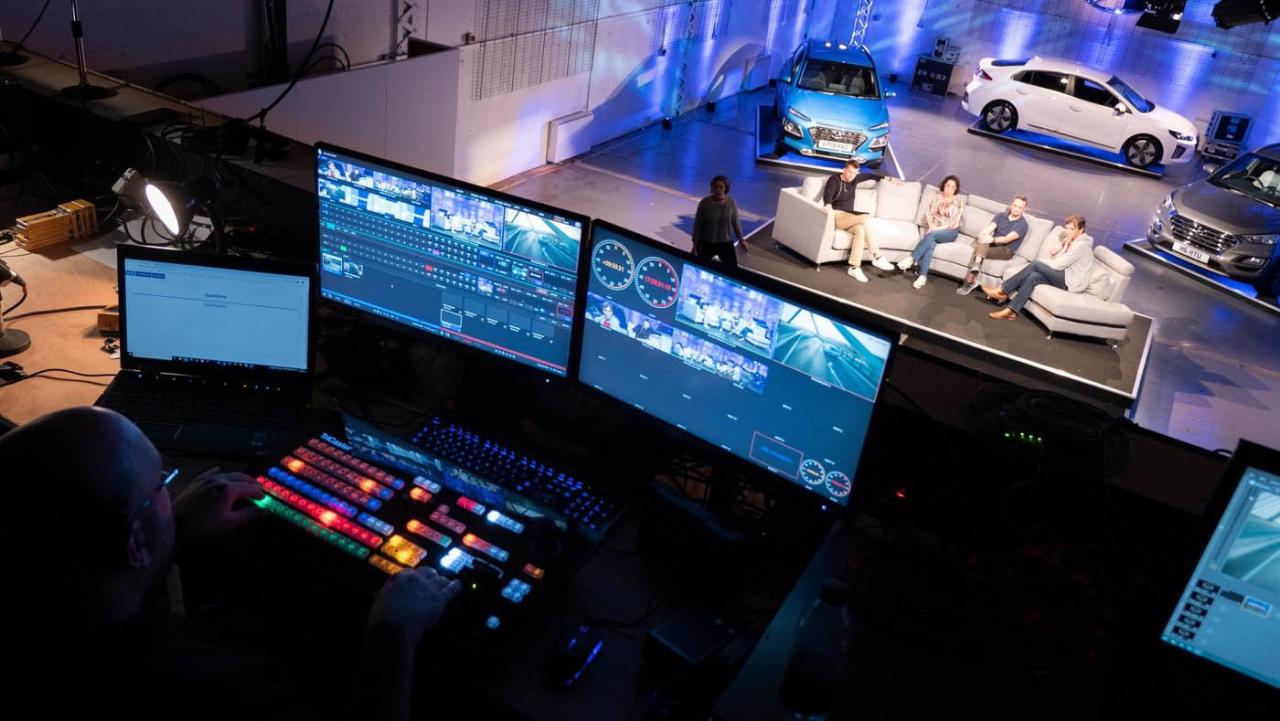
The impact of virtual events is not limited to a single sector; it is a transformative force that is reshaping every industry.
- Corporate and Business Events: The corporate world is on the cusp of a revolution. A virtual event is being used for conferences, trade shows, and product launches. The potential for a virtual event to reach a global audience and to reduce the cost of an event is a game-changer for the corporate world.
- Education and Learning: The education industry is on the cusp of a revolution. A virtual event is being used for online classes, workshops, and seminars. The potential for a virtual event to reach a global audience and to reduce the cost of an education is a new and exciting frontier.
- Entertainment and Gaming: The entertainment industry is on the cusp of a revolution. A virtual event is being used for concerts, festivals, and gaming tournaments. The potential for a virtual event to create a new generation of immersive and interactive experiences is a new and exciting frontier.
- Community and Social Events: The community world is on the cusp of a revolution. A virtual event is being used for community gatherings and social events. The potential for a virtual event to connect a community in a new and exciting way is a new and exciting frontier.
The Technological and Ethical Challenges
While the potential of virtual events is immense, the path to widespread adoption is not without its challenges. The technology is still in its early stages, and the regulatory framework is struggling to keep up with the pace of innovation.
- High Initial Cost: The cost of building a virtual event, particularly a large one, can be high. This can be a major barrier to adoption for a small business or a community that is operating on a tight budget.
- The Need for New Skills: The shift to a virtual event requires a new set of skills and a new mindset. An organizer who is trained to work with a traditional event will need to learn how to work with a new generation of technology and to analyze a vast amount of real-time data.
- Data Privacy and Security: The use of a virtual event has a new and profound set of privacy and security concerns. The potential for a virtual event to be used for mass surveillance or to collect a person’s personal information is a new and dangerous threat.
- The “Human” Question: The rise of a virtual event is forcing a deeper, philosophical debate over what it means to be human. If a person can attend a virtual event from the comfort of their own home, are they still connected to the real world? The legal and ethical implications of this question are profound.
Conclusion
The virtual event revolution is not just another technological advancement; it is a fundamental re-imagining of how we gather, connect, and learn. It has the power to unlock new levels of accessibility, personalization, and sustainability, but it also poses a number of significant ethical and societal challenges. The companies and governments that are leading this charge are not just building a new technology; they are laying the foundation for a new era of human connection.
The future of events will not be defined by a world where a person is limited by a physical event. Instead, it will be defined by a world where a virtual event is a new and more immersive experience, and where a new level of connection and learning is possible. The journey is far from over, but the progress has been undeniable. The most successful societies of the future will be those that can master the principles of virtual events and use them to create a more efficient, more creative, and more equitable world. The virtual event revolution is here, and its arrival will fundamentally change our understanding of what is possible.








Discussion about this post